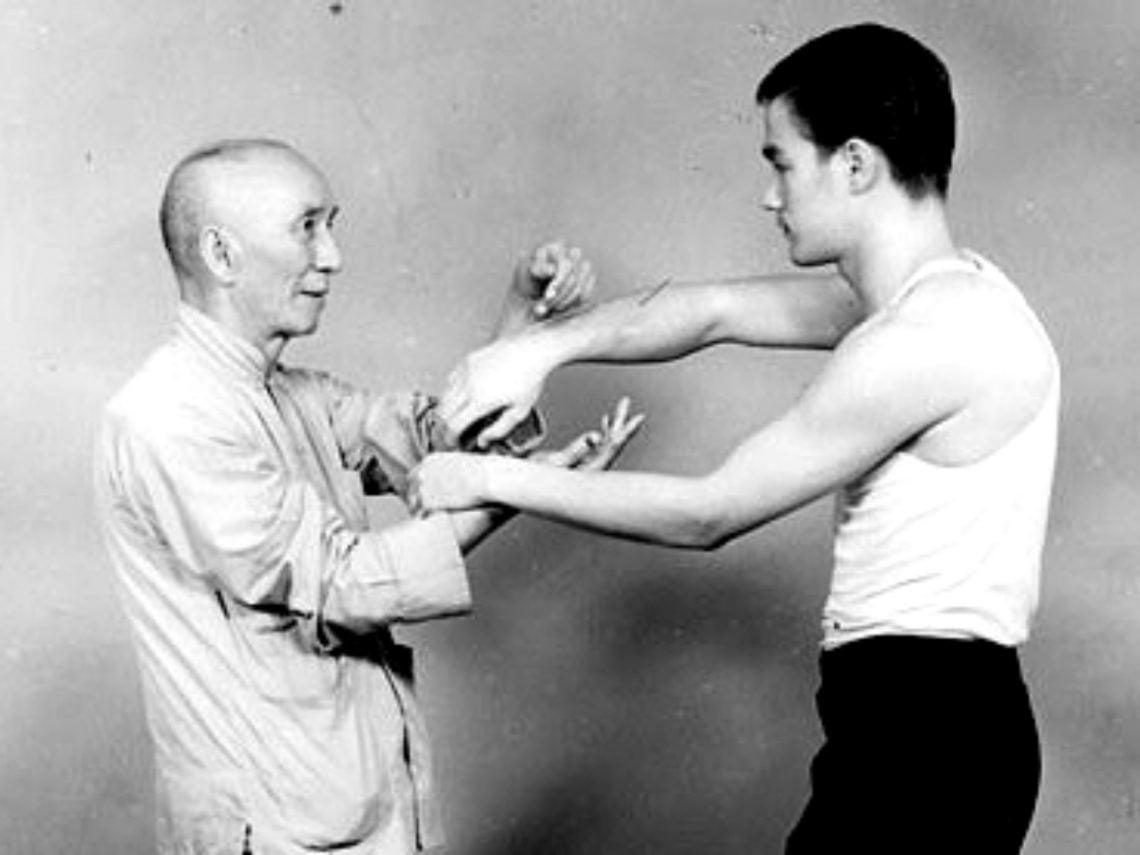
The History of Wing Chun (詠春拳)
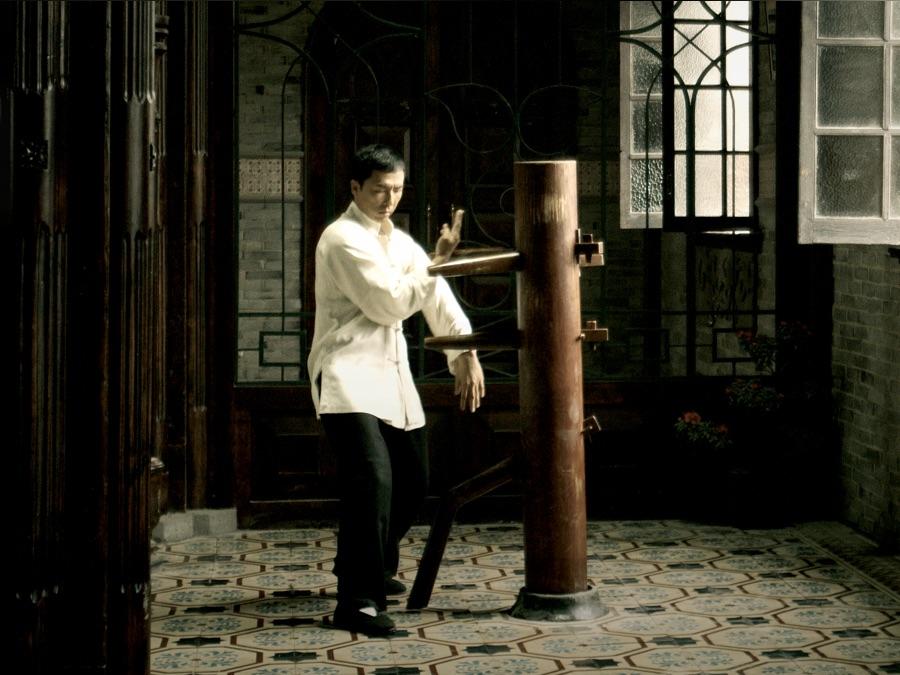
Wing Chun (詠春拳) is a traditional Chinese martial art that originated in southern China. It is famous for its close-range fighting, quick punches, direct movements, defensive techniques and efficient use of body mechanics.
Unlike some traditional kung fu styles that use large, powerful movements, Wing Chun focuses on simplicity, speed, balance and economy of motion.
Its central philosophy is:
Use the least effort to achieve the greatest result.
The origins of Wing Chun
Wing Chun’s origins are traditionally traced back approximately 300 years, during the Qing dynasty in China (1644–1912).
According to traditional legend, the art was developed by a Buddhist nun named Ng Mui, one of the legendary Five Elders associated with the destruction of the Shaolin Temple.
The story says that Ng Mui observed a fight between a snake and a crane. Inspired by their movements, she developed a fighting system based on:
-
Directness rather than brute strength.
-
Efficient movement and positioning.
-
Close-range combat.
-
Simultaneous defence and attack.
She supposedly taught the system to a young woman named Yim Wing Chun.
Yim Wing Chun used these techniques to defend herself against a powerful local fighter. The martial art eventually took her name.
Important historical note: The Ng Mui and Yim Wing Chun story is part of the traditional oral history. There is no conclusive historical evidence proving every detail. The exact origins of Wing Chun remain debated.
.The development of Wing Chun in southern China
During the 19th century, Wing Chun became associated with the Foshan region of Guangdong province in southern China.
Several important figures appear in its traditional lineage:
-
Leung Bok Chau – Traditionally identified as Yim Wing Chun’s husband and successor.
-
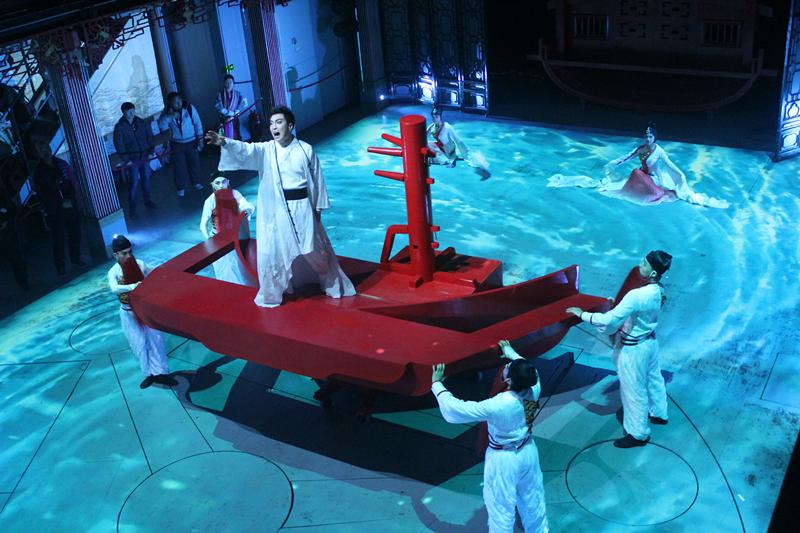
Wong Wah Bo – Associated with the Red Boat Cantonese opera tradition.
-
Leung Yee Tai – Another important figure in the traditional lineage.
-
Leung Jan (1826–1901) – A famous Foshan physician and Wing Chun practitioner.
Leung Jan became particularly important because his reputation helped establish Wing Chun in Foshan.
He was sometimes called the King of Wing Chun.
The Red Boat opera performers are also significant in Wing Chun history. Martial arts were practised and transmitted among travelling Cantonese opera communities.
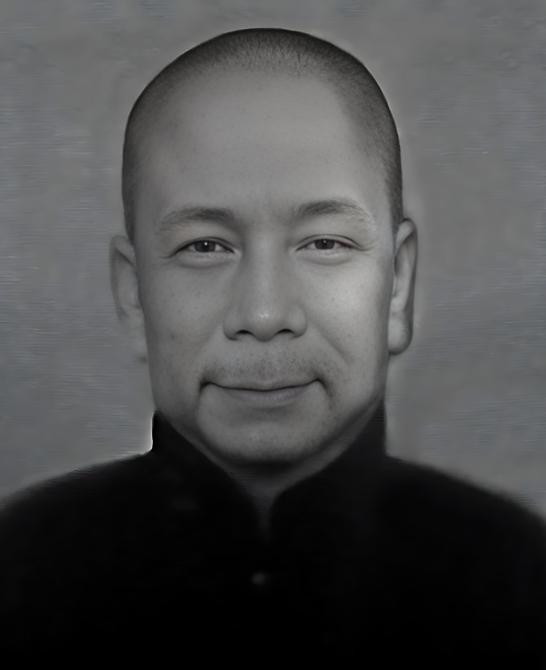
Ip Man – The man who brought Wing Chun to the world
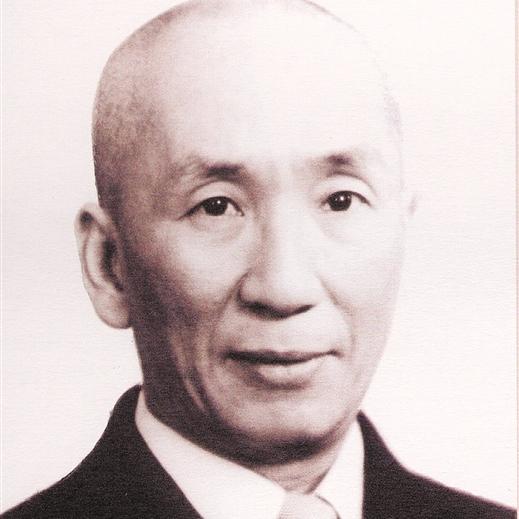
One of the most important people in Wing Chun history was Ip Man (1893–1972).
Ip Man was born in Foshan, China, into a wealthy family.
He studied Wing Chun under Chan Wah-shun and later continued his training with other members of the Wing Chun lineage.
In 1949, following the Chinese Communist Revolution, Ip Man moved to Hong Kong.
Around 1950, he began teaching Wing Chun publicly.
This was a turning point because, previously, the art had largely been passed down through relatively small groups of students.
Some of his most famous students included:
-
Bruce Lee – Later became an international martial arts icon.
-
Wong Shun-leung – Famous for his practical fighting experience and influence on Wing Chun.
-
Leung Sheung – One of Ip Man’s early Hong Kong students.
-
Chu Shong-tin – Known for his understanding of Wing Chun’s internal body mechanics.
Ip Man’s teaching helped establish the foundations of modern international Wing Chun.
Bruce Lee began studying Wing Chun under Ip Man during his youth in Hong Kong.
Bruce Lee began studying Wing Chun under Ip Man during his youth in Hong Kong.
He learned important concepts such as:
-
Centerline theory.
-
Direct punching.
-
Close-range combat.
-
Economy of movement.
-
Intercepting an opponent’s attack.
Later, Bruce Lee developed his own martial arts philosophy called Jeet Kune Do.
Jeet Kune Do incorporated ideas from Wing Chun alongside concepts from boxing, fencing and other martial arts.
Bruce Lee’s international fame during the 1970s helped introduce Chinese martial arts, including Wing Chun, to audiences around the world.